Ryan Butters
Introduction: Understanding Cataracts and the Need for Surgery
Cataracts are a common eye condition, especially as people age. They occur when the lens of the eye becomes cloudy, leading to blurry vision, difficulty seeing at night, and sensitivity to glare. As cataracts progress, they can make daily activities like reading, driving, or recognizing faces much harder. In severe cases, cataracts can lead to blindness if left untreated.
Cataract surgery is the most effective way to treat cataracts and restore clear vision. During the procedure, the cloudy natural lens is removed and replaced with an artificial lens called an intraocular lens (IOL). With over 95% success rates, cataract surgery is one of the most commonly performed surgeries worldwide.
However, like any surgery, cataract surgery comes with potential risks and side effects. While most people experience a smooth recovery, it’s important to understand what side effects are normal and what may require medical attention.
See more: Laser Eye Surgery Recovery Timeline: How Long Until You See Clearly?
What Is Cataract Surgery?
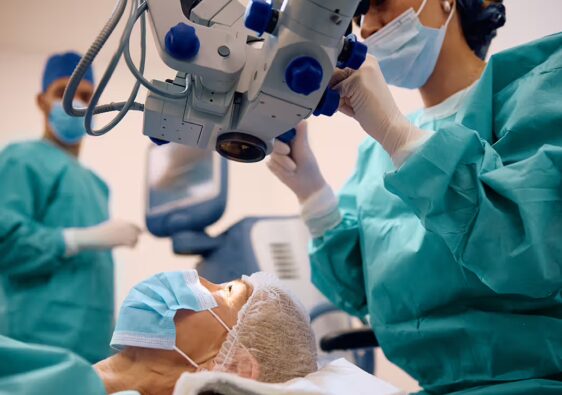
Cataract surgery is a relatively simple procedure that involves removing the cloudy lens from the eye and replacing it with a clear, artificial lens. The surgery is usually performed under local anesthesia, meaning patients are awake but don’t feel any pain during the procedure. The surgeon makes a small incision in the eye, breaks up the cataract using ultrasound or laser technology, and removes the cloudy lens. Afterward, the new IOL is inserted.
The entire procedure usually takes 15-30 minutes per eye, and most patients can go home the same day. Many people experience improved vision within a day or two, although complete recovery may take a few weeks.
Before Cataract Surgery
Pre-Surgery Eye Tests
Before undergoing cataract surgery, several tests are conducted to determine the best course of action. These tests typically include:
- Visual acuity test: To assess the extent of vision loss caused by the cataract.
- Eye pressure measurement: To check for signs of glaucoma, which can affect the outcome of the surgery.
- Eye measurements: To calculate the appropriate intraocular lens (IOL) size based on the shape and size of your eye.
Preparation Steps
Preparing for cataract surgery involves several important steps:
- Medication review: Your doctor will go over your current medications to ensure there are no contraindications with the surgery. You may be asked to stop taking certain medications before the procedure.
- Eye drops: You’ll likely be prescribed antibiotic and anti-inflammatory eye drops to use before surgery to reduce the risk of infection and swelling.
- Fasting: If sedation is required, you may be asked to avoid eating or drinking for several hours before the surgery.
Following the doctor’s instructions carefully will help ensure the best possible outcome.
What Patients Should and Shouldn’t Do
Before cataract surgery, patients are generally advised to:
- Wear comfortable clothing: Avoid tight collars or sleeves that might interfere with the surgery.
- Arrange for transportation: Since the procedure requires local anaesthesia, you will not be able to drive yourself home.
- Avoid makeup: You should not wear makeup on the day of surgery, especially eye makeup, as it may increase the risk of infection.
During Cataract Surgery
How the Procedure Is Performed
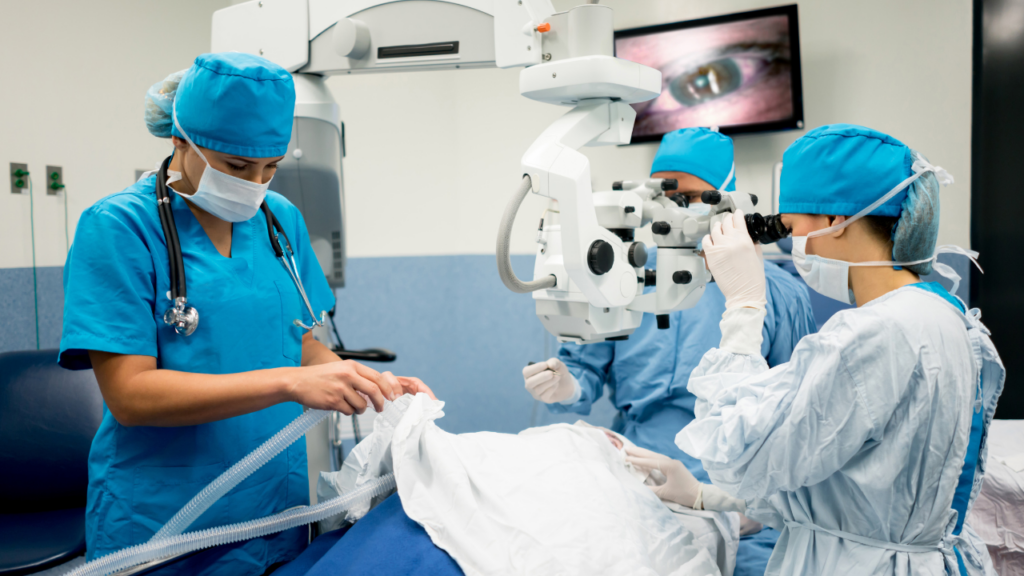
Cataract surgery is typically done on an outpatient basis, which means you won’t have to stay overnight in the hospital. The procedure involves:
- Anaesthesia: A local anaesthetic is applied to numb the eye, and you may be given a mild sedative to help you relax.
- Incision: A small incision is made in the cornea (the outer layer of the eye).
- Cataract removal: The surgeon uses a small probe that emits ultrasound waves to break up the cataract and remove the cloudy lens.
- IOL insertion: Once the cataract is removed, a clear intraocular lens (IOL) is implanted to replace the natural lens.
- Incision closure: The incision is small enough that stitches are not usually needed, and it will heal naturally.
The procedure typically takes between 15 and 30 minutes per eye, and most people experience minimal discomfort.
Pain Management and Duration
Cataract surgery is generally painless due to the local anaesthesia used. Some patients may feel a mild pressure or sensation during the procedure, but this is typically not painful. After the surgery, any discomfort is usually managed with over-the-counter pain relievers and prescribed eye drops.
After Cataract Surgery
Recovery Timeline
The recovery from cataract surgery is usually quick, and many people notice improved vision within 24-48 hours. However, complete recovery can take a few weeks. Here’s a general timeline for recovery:
- First 24-48 hours: Most patients notice significant improvement in their vision, but it may be blurry at first.
- Week 1: Vision continues to improve, but fluctuations in clarity and light sensitivity may occur.
- Week 2-4: The majority of patients experience stable vision and reduced discomfort. Any swelling or irritation should also subside.
- 6-8 weeks: Full recovery is typically achieved within 6-8 weeks, though minor fluctuations in vision may continue for a short period.
Vision Changes
Many people experience dramatic improvements in vision shortly after surgery. The cloudiness caused by the cataract is removed, and the new IOL allows light to focus properly on the retina. Some people also notice brighter colors and sharper contrasts.
However, while cataract surgery can significantly improve distance vision, many patients still need glasses for reading or close-up work, especially if they have presbyopia (age-related difficulty focusing on close objects).
Post-Operative Care and Restrictions
To promote healing and reduce the risk of complications, it’s essential to follow your doctor’s post-operative care instructions. These may include:
- Using prescribed eye drops: To prevent infection and reduce inflammation.
- Avoiding strenuous activities: Activities such as lifting heavy objects, bending over, or strenuous exercise should be avoided for at least a few weeks.
- Wearing an eye shield or patch: You may be advised to wear an eye shield at night to prevent rubbing your eye while sleeping.
- Avoiding water in the eye: For the first few days after surgery, it’s crucial to keep water out of the eye to avoid infection.
Benefits and Success Rates
Cataract surgery is incredibly successful, with over 95% of patients experiencing improved vision. The primary benefits include:
- Restored vision: Most people experience clearer, sharper vision after cataract surgery.
- Improved quality of life: With restored vision, many patients can resume daily activities like reading, driving, and watching TV with greater ease.
- Quick recovery: Most patients recover within a few days to a few weeks, with minimal downtime.
Possible Risks and Side Effects
Although cataract surgery is generally safe, there are potential side effects and risks. These include:
- Infection: Though rare, infection is a potential risk. Proper post-operative care, including using prescribed eye drops, reduces this risk.
- Inflammation: Swelling and discomfort in the eye can occur, but this typically resolves with medication.
- Glare or halos: Some people experience glare or halos around lights, especially at night. This is more common if you have a higher prescription lens or if multifocal IOLs are used.
- Increased intraocular pressure: This can occur in some patients and may require treatment.
- Retinal detachment: Although rare, this is a serious complication that requires immediate medical attention.
When to Contact Your Eye Doctor
It’s important to contact your eye doctor if you experience:
- Severe pain or discomfort that doesn’t improve with medication.
- Sudden vision loss or drastic changes in vision.
- Redness or swelling that worsens over time.
- Flashes of light or floaters, which could indicate a retinal problem.
Conclusion: Cataract Surgery Is Safe, But Monitor for Side Effects
Cataract surgery is a safe and effective procedure with a high success rate. While side effects such as mild irritation, blurry vision, or light sensitivity are common and generally temporary, it’s important to be aware of serious complications like infections or retinal issues, which are rare but require prompt medical attention.
By understanding what’s normal and what’s not, you can ensure a smooth recovery and enjoy the life-changing benefits of restored vision.
Cataract surgery can greatly improve vision, but like all procedures, it comes with potential side effects. Learn about the normal recovery process, common side effects, and when to contact your doctor for complications.